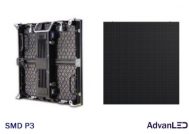
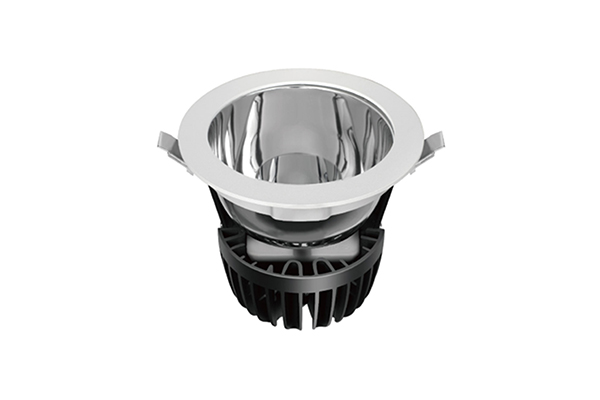
SMD P16 – OUTDOOR DISPLAY

SMD P16 – OUTDOOR DISPLAY

SMD P16 -OUTDOOR

PRODUCTS / OUTDOOR LED DISPLAYS / SMD P16 -OUTDOOR


SMD P16 – OUTDOOR


Features:

  • Use highlight LED and High Quality Plastic Parts
  • High Contrast Display can acheive a good effects
  • Light Weight current drive LED
  • Low Power Consumption
  • Perfect Uniformity and Consistency

Applications: 

  • City square
  • Pedestrainized Streets
  • Exhibition Centers
  • Stadiums
  • Road Traffic
  • Airports
  • Railway Stations
  • Docks
  • Etc

CONTACT INFO

LED Vision Sdn. Bhd.

No 109, Jalan PM 1,

Taman Perindustrian Merdeka,

Batu Berendam, 75350

Melaka, Malaysia

Working Hours

Monday-Friday : 9.00 am- 6.00pm

Saturday (alternate) : 9.00 am- 1.00 pm

Sunday and Public Holiday : Closed

Telephone: +606-317 3668

FAX: +606-317 3882

E-mail: sales@ledvision.com.my

CONTACT US TODAY

What is LED Display Board

A led display board is an electronic device for presentation of images or text as well as video which without producing a permanent record. Electronic visual displays include television sets, computer monitors and digital display for shop. In an LED display, thousands of tiny LED bulbs are lined up next to each other to create an image. LED display is particularly popular in outdoor settings because it is rugged, long lasting, and easy to see even in daylight.

Function

A display board is use to convey some message or information to the viewer according to the electronic input signal that receive by the display board.

Conventional display board

Neon display board are electric display board lit up by long luminous gas-discharge tubes that contain rarefied neon and some other gases. It was first introduced in 1910 at the Paris Motor Show, it are produce by the craft of bending glass tubing into shapes. A worker skilled in this craft is known as a glass bender, neon or tube bender. The neon display industry began to decline in the past several decades due to the rise of LED display industry.

P16 OUTDOOR LED DISPLAY

The P16 Outdoor LED display is a flat panel display, which uses an array of light-emitting diodes as pixels for a video display. Their brightness allows them to be used outdoors where they are visible in the sun for store signs and billboards, and in recent years they have also become commonly used in destination signs on public transport vehicles, as well as variable-message signs on highways. LED displays are capable of providing general illumination in addition to visual display, as when used for stage lighting or other decorative (as opposed to informational) purposes in Malaysia.

The 1977 model was monochromatic by design. The efficient Blue LED completing the color triad, did not arrive for another decade. Large displays now use high-brightness diodes to generate a wide spectrum of colors. It took three decades and organic light-emitting diodes for Sony to introduce an OLED TV, which was marketed in 2009. Later, at CES 2012, Sony presented Crystal LED, a TV with a true LED-display (in which LEDs are used to produce actual images rather than acting as back lighting for other types of display, as in LED-backlit LCDs which are commonly marketed as LED TV In Malaysia.


Indoor and outdoor display difference

We can divide the LED displays into two main categories, which is the indoor and outdoor LED display. Led display is design to meet the needs of nearly anyone seeking an energy-efficient way reaching more people and getting their message across–indoor displays and outdoor displays. The 2 categories have some of the differences, but what people often don’t realize the differences between them. List below have outline some of the main differences between the indoor LED displays and outdoor LED displays that are available in the market in nowadays. No matter the type of LED display you are looking to purchase, there are certain characteristics that you should be sure to take into account. There are reasons why we manufacture indoor LED displays the way we do, and there are other reasons why outdoor LED displays are manufactured differently from the indoor LED display. When deciding which LED display is right for you, be sure to take each of these factors into consideration.

1) Resolution of the display board-The first difference between indoor LED displays and outdoor LED displays is the resolutions that the LED display possess. For the outdoor LED display, it was normally designed to be viewed from a farther distances than the indoor display, so, the outdoor display can rely on lower resolutions with very little compromise in terms of visibility. But, in the other case, the indoor LED display that are normally designed to be viewed from a shorter distances require higher resolutions to give the audience a view with optimal and best quality.

2) Brightness of the display board-The second difference between the indoor and outdoor display is the brightness of LED displays. The brightness of outdoor display should be higher than indoor display. This is because bright sunlight can make dull displays more difficult to read, so indoor display which do not have to compete with the unpredictability light source of outdoor weather conditions will need only a very low brightness. Thus, outdoor LED displays are usually manufactured to be brighter than indoor LED display.

3) Durability of the display board – The third difference between the indoor and outdoor display is the durability of LED displays. The most obvious and commonly thought of difference between indoor LED signs and outdoor LED signs relates to the ability of the display to withstand some extreme weather conditions. Because indoor LED displays are not exposed to the outside, additional protections are not necessary, whereas for the outdoor LED displays, extra protection is necessary, especially in certain geographic regions where extreme weather conditions are frequently experienced.

LED HI FLUX TRAFFIC LIGHT (FULL MOON)

LED HI FLUX TRAFFIC LIGHT (FULL MOON)

HOME / LED TRAFFIC LIGHTS / LED HI FLUX TRAFFIC LIGHT (FULL MOON)

LED HI-FLUX TRAFFIC LIGHT (RED-MAN/ GREEN-MAN)

LED HI-FLUX TRAFFIC LIGHT (FULL MOON)


The LED Hi Flux Traffic Light (Full Moon) is an innovative LED-based traffic signal built for energy efficiency, visibility and longevity in demanding roadway conditions. Its high-powered LEDs consume just 8-10W while delivering bright, uniform illumination in red, amber and green. The specialized optical design focuses maximum light output towards motorists with a wide viewing angle. Constructed from UV-resistant polycarbonate in a sleek full moon shape, it is impact-resistant while providing all-weather protection. Available with universal mounting for ease of upgrading existing signals. For municipalities and traffic departments seeking energy and cost savings, the LED Hi Flux Traffic Light (Full Moon) delivers exceptional value and reliable performance.

Features:

  • Waterproofing, without screws, Silicon rubber is fixed to casing door for water proofing
  • Perfect precise measurement of casing dimension
  • Easy to assemble. Fit body-to-body stacking assembly
LED HI-FLUX TRAFFIC LIGHT (RED-MAN/ GREEN-MAN)

LED HI-FLUX TRAFFIC LIGHT (RED-MAN/GREEN-MAN)


The LED Hi Flux Traffic Light (Full Moon) is an innovative LED-based traffic signal built for energy efficiency, visibility and longevity in demanding roadway conditions. Its high-powered LEDs consume just 8-10W while delivering bright, uniform illumination in red, amber and green. The specialized optical design focuses maximum light output towards motorists with a wide viewing angle. Constructed from UV-resistant polycarbonate in a sleek full moon shape, it is impact-resistant while providing all-weather protection. Available with universal mounting for ease of upgrading existing signals. For municipalities and traffic departments seeking energy and cost savings, the LED Hi Flux Traffic Light (Full Moon) delivers exceptional value and reliable performance.

Features:

  • Waterproofing, without screws, Silicon rubber is fixed to casing door for water proofing
  • Perfect precise measurement of casing dimension
  • Easy to assemble. Fit body-to-body stacking assembly

PRODUCT SPECIFICATION


Diameter 300mm
Luminous Intensity acc. to EN12368

Red        >   400cd

Amber   >   400cd

Green    >   400cd

Optical Performance acc. to EN12368 B3/1, Type W
Color acc. to EN12368

Red        >   616-624nm

Amber   >   586-592nm

Green    >   499-507nm

LED Type High Power
Design Full Moon
Material UV-Stabilized Polycarbonate
IP Rating IP65
Total Harmonic Distortion (THD) > 0.90
Weight < 1.5 KG

What is traffic light and its function

Traffic lights, also known as traffic signals, traffic lamps, traffic semaphore, signal lights, stop lights, robots (in South Africa), and traffic control signals (in technical parlance) are important signaling devices that normally located on road intersections, T-junction, pedestrian crossings, and other locations so that it can be used to control the flows of traffic and reduce the occur of road accident. Beside that, traffic light also act as a safety device that appear on the road in vast majority of country in the world. Traffic lights are very important on the traffic safety management to maintain safety on road for all the pedestrians and drivers across the road. Increasing accidents and fatalities occur on the road have cause the growth of the traffic lights market, as traffic lights provide drivers control on road and improve the flow of traffic. Another factor that has driven the growth of the market is the improvement in traffic flow regulations by the respective traffic safety organizations by constantly upgrading and maintaining them and creating various pedestrian facilities, extra-street lighting, traffic signal modifications, and signage marking improvements. The operation of traffic lights requires sophisticated control and coordination to ensure that traffic flow is as smoothly and safely as possible and ensure that the safety of pedestrians and protected them when they drive or walk cross the roads.

Traffic light color meaning

There are 3 most frequently color that we can see on the traffic light in vast majority of country. The 3 color are red, green and orange. Red color in the traffic light is to alert the driver to stop their car. Orange color in the traffic light is to alert the driver to proceed with caution. Green color is to tell driver to go.

HI-FLUX TRAFFIC LIGHTS

Hi-Flux Traffic lights, also known as traffic signals, traffic lamps, traffic semaphore, signal lights, stop lights, robots (in South Africa and most of Africa), and traffic control signals (in technical parlance), are signalling devices positioned at road intersections, pedestrian crossings, and other locations to control flows of traffic.

The world’s first traffic light was short lived. It was a manually operated gas-lit signal installed in London in December 1868. It exploded less than a month after it was implemented, injuring its policeman operator. Traffic control started to seem necessary in the late 1890s and Earnest Sirrine from Chicago patented the first automated traffic control system in 1910. It used the words “STOP” and “PROCEED”, although neither word lit up.

Traffic lights alternate the right of way accorded to users by displaying lights of a standard colour (red, amber (yellow), and green) following a universal colour code. In the typical sequence of colour phases:

1. The green light allows traffic to proceed in the direction denoted, if it is safe to do so and there is room on the other side of the intersection.
2. The amber (yellow) light warns that the signal is about to change to red. In a number of countries – among them the United Kingdom – a phase during which red and yellow are displayed together indicates that the signal is about to change to green. Actions required by drivers on a yellow light vary, with some jurisdictions requiring drivers to stop if it is safe to do so, and others allowing drivers to go through the intersection if safe to do so.
3. A flashing amber indication is a warning signal. In the United Kingdom, a flashing amber light is used only at pelican crossings, in place of the combined red–amber signal, and indicates that drivers may pass if no pedestrians are on the crossing.
4.The red signal prohibits any traffic from proceeding.
5. A flashing red indication is treated as a stop sign.

In some countries traffic signals will go into a flashing mode if the conflict monitor detects a problem, such as a fault that tries to display green lights to conflicting traffic. The signal may display flashing yellow to the main road and flashing red to the side road, or flashing red in all directions. Flashing operation can also be used during times of day when traffic is light, such as late at night in Malaysia.

New trend traffic light

Engineers is already developed the new trend traffic light to reduce the average power consumption of a traffic light, which is the average power consumption 3-colour traffic light to just one to two watts. For the conventional traffic light which is based on the incandescent bulbs, its average power consumption is around 60 watt. The new trend traffic light, with the use of highly efficient LED and digital modules, is expected to benefit city budgets as well as the environment due to its low power consumption. The new 1-watt-technology is branded as ‘Sitraffic One’ is already  introduced to the traffic system and netwok in some places, such as in Bozen, Italy and in Bietigheim-Bissingen, Germany. If replace the conventional traffic light that use incandescent bulbs to the new 1-watt technology, after as little as five years, a converted intersection begins paying for itself. Even updating conventional 230-volt LED technology pays off: at an average intersection with about 55 signal lights, the new 1-watt signals can save about 1,600 kilowatt-hours per year and reduce carbon emissions by about 960 kilograms. We can seen that the conventional traffic light that use incandescent bulbs behind colored diffusion disks are still in operation in many traffic lights around the world. By converting these to the new 1-watt technology, it can reduce power consumption on that traffic light by up to 98 percent. So, all the cities are persuade for replacing the incandescent bulbs traffic light with the new 1watt-technology traffic light.

LED HI BRITE TRAFFIC LIGHT (FULL MOON, ARROW)

LED HI BRITE TRAFFIC LIGHT (FULL MOON, ARROW)

PRODUCTS / LED TRAFFIC LIGHTS / LED HI BRITE TRAFFIC LIGHT (FULL MOON)

LED HI BRITE TRAFFIC LIGHT (FULL MOON)

LED HI BRITE TRAFFIC LIGHT (FULL MOON)

The LED Hi Brite Traffic Light (Full Moon) delivers exceptional brightness and visibility for roadway and intersection signaling applications. Built with a UV-resistant polycarbonate housing fitted with high-flux LEDs, it provides instant-on illumination while using just 8-10W of energy.

Featuring a specialized optical design, the LED traffic light focuses maximum luminous intensity towards motorists and pedestrians at a wide 140° viewing angle for enhanced visibility from a distance. Tough and weatherproof, the sleek full moon and arrow traffic lights withstand demanding conditions.

For municipalities seeking to upgrade signals with energy-efficient, long-lasting LEDs, the LED Hi Brite Traffic Light delivers powerful performance, durability and savings.

Unique Features of LED Vision traffic signal :

  • Automatic linear dimming of LED brightness at night
  • Automatic electricity leakage detection
  • Traffic signals with ventilation to ensure good heat dissipation and constant brightness for years
  • Traffic signal with high contrast ratio that improves brightness by 30% compared to other traffic from other manufacturers.

COMPARISON BETWEEN HI BRITE & HALOGEN BULB


  Hi Brite Halogen Bulb
Type  LED (100 – 200 LED) – Still functioning even though 5% of the LED burnt or die Halogen Bulb (1 bulb) – when burnt or die means the whole light is not functioning
life Long life (100,000 hours) Short life(3 ~ 6 months)
Operating Voltage Low voltage (More Safe) High voltage( dangerous)


What is traffic light and its function

Traffic lights, also known as traffic signals, traffic lamps, traffic semaphore, signal lights, stop lights, robots (in South Africa), and traffic control signals (in technical parlance) are important signaling devices that normally located on road intersections, T-junction, pedestrian crossings, and other locations so that it can be used to control the flows of traffic and reduce the occur of road accident. Beside that, traffic light also act as a safety device that appear on the road in vast majority of country in the world. Traffic lights are very important on the traffic safety management to maintain safety on road for all the pedestrians and drivers across the road. Increasing accidents and fatalities occur on the road have cause the growth of the traffic lights market, as traffic lights provide drivers control on road and improve the flow of traffic. Another factor that has driven the growth of the market is the improvement in traffic flow regulations by the respective traffic safety organizations by constantly upgrading and maintaining them and creating various pedestrian facilities, extra-street lighting, traffic signal modifications, and signage marking improvements. The operation of traffic lights requires sophisticated control and coordination to ensure that traffic flow is as smoothly and safely as possible and ensure that the safety of pedestrians and protected them when they drive or walk cross the roads.

Traffic light color meaning

There are 3 most frequently color that we can see on the traffic light in vast majority of country. The 3 color are red, green and orange. Red color in the traffic light is to alert the driver to stop their car. Orange color in the traffic light is to alert the driver to proceed with caution. Green color is to tell driver to go.

Hi-Flux TRAFFIC LIGHTS

Hi-Flux Traffic lights, also known as traffic signals, traffic lamps, traffic semaphore, signal lights, stop lights, robots (in South Africa and most of Africa), and traffic control signals (in technical parlance), are signalling devices positioned at road intersections, pedestrian crossings, and other locations to control flows of traffic.

The world’s first traffic light was short lived. It was a manually operated gas-lit signal installed in London in December 1868. It exploded less than a month after it was implemented, injuring its policeman operator. Traffic control started to seem necessary in the late 1890s and Earnest Sirrine from Chicago patented the first automated traffic control system in 1910. It used the words “STOP” and “PROCEED”, although neither word lit up.

Traffic lights alternate the right of way accorded to users by displaying lights of a standard colour (red, amber (yellow), and green) following a universal colour code. In the typical sequence of colour phases:

  • The green light allows traffic to proceed in the direction denoted, if it is safe to do so and there is room on the other side of the intersection.
  • The amber (yellow) light warns that the signal is about to change to red. In a number of countries – among them the United Kingdom – a phase during which red and yellow are displayed together indicates that the signal is about to change to green. Actions required by drivers on a yellow light vary, with some jurisdictions requiring drivers to stop if it is safe to do so, and others allowing drivers to go through the intersection if safe to do so.
  • A flashing amber indication is a warning signal. In the United Kingdom, a flashing amber light is used only at pelican crossings, in place of the combined red–amber signal, and indicates that drivers may pass if no pedestrians are on the crossing.
  • The red signal prohibits any traffic from proceeding.
  • A flashing red indication is treated as a stop sign.

In some countries traffic signals will go into a flashing mode if the conflict monitor detects a problem, such as a fault that tries to display green lights to conflicting traffic. The signal may display flashing yellow to the main road and flashing red to the side road, or flashing red in all directions. Flashing operation can also be used during times of day when traffic is light, such as late at night in Malaysia.

New trend traffic light

Engineers is already developed the new trend traffic light to reduce the average power consumption of a traffic light, which is the average power consumption 3-colour traffic light to just one to two watts. For the conventional traffic light which is based on the incandescent bulbs, its average power consumption is around 60 watt. The new trend traffic light, with the use of highly efficient LED and digital modules, is expected to benefit city budgets as well as the environment due to its low power consumption. The new 1-watt-technology is branded as ‘Sitraffic One’ is already  introduced to the traffic system and netwok in some places, such as in Bozen, Italy and in Bietigheim-Bissingen, Germany. If replace the conventional traffic light that use incandescent bulbs to the new 1-watt technology, after as little as five years, a converted intersection begins paying for itself. Even updating conventional 230-volt LED technology pays off: at an average intersection with about 55 signal lights, the new 1-watt signals can save about 1,600 kilowatt-hours per year and reduce carbon emissions by about 960 kilograms. We can seen that the conventional traffic light that use incandescent bulbs behind colored diffusion disks are still in operation in many traffic lights around the world. By converting these to the new 1-watt technology, it can reduce power consumption on that traffic light by up to 98 percent. So, all the cities are persuade for replacing the incandescent bulbs traffic light with the new 1watt-technology traffic light.

TRAFFIC HOUSING

TRAFFIC HOUSING

TRAFFIC HOUSING

AdvanLED Housing and Accessories of LED Traffic Light


Housing of Traffic Light

  1. Main Body
    • Using precision plastic injection moulding technology resulting in perfect fit for body-to-body stacking assembly, it include for door-to-body assembly . To make sure it waterproof and standard IP65.
    • UV stabilized polycarbonate material greatly reduced fading over prolonged exposure to direct sun, and also long lasting and durable under all weather
    • No need for regular painting
    • Light and easy to install
    • Product include all accesories.
  2. Accesories
    • Sun Visor
    • Names plates
    • Traffic L bracket or Traffic Philip bracket
  3. Size of Housing
    • 1x300mm
    • 2x300mm
    • 3x3oomm
    • 4x300mm
    • 6x300mm
    • and also for 210mm

What is traffic light and its function

Traffic lights, also known as traffic signals, traffic lamps, traffic semaphore, signal lights, stop lights, robots (in South Africa), and traffic control signals (in technical parlance) are important signaling devices that normally located on road intersections, T-junction, pedestrian crossings, and other locations so that it can be used to control the flows of traffic and reduce the occur of road accident. Beside that, traffic light also act as a safety device that appear on the road in vast majority of country in the world. Traffic lights are very important on the traffic safety management to maintain safety on road for all the pedestrians and drivers across the road. Increasing accidents and fatalities occur on the road have cause the growth of the traffic lights market, as traffic lights provide drivers control on road and improve the flow of traffic. Another factor that has driven the growth of the market is the improvement in traffic flow regulations by the respective traffic safety organizations by constantly upgrading and maintaining them and creating various pedestrian facilities, extra-street lighting, traffic signal modifications, and signage marking improvements. The operation of traffic lights requires sophisticated control and coordination to ensure that traffic flow is as smoothly and safely as possible and ensure that the safety of pedestrians and protected them when they drive or walk cross the roads.

Traffic light color meaning

There are 3 most frequently color that we can see on the traffic light in vast majority of country. The 3 color are red, green and orange. Red color in the traffic light is to alert the driver to stop their car. Orange color in the traffic light is to alert the driver to proceed with caution. Green color is to tell driver to go.


TRAFFIC HOUSING

Traffic Housing, also known as Housing, traffic lamps, traffic semaphore, signal lights, stop lights, robots (in South Africa and most of Africa), and traffic control signals (in technical parlance), are signalling devices positioned at road intersections, pedestrian crossings, and other locations to control flows of traffic.

The world’s first traffic light was short lived. It was a manually operated gas-lit signal installed in London in December 1868. It exploded less than a month after it was implemented, injuring its policeman operator. Traffic control started to seem necessary in the late 1890s and Earnest Sirrine from Chicago patented the first automated traffic control system in 1910. It used the words “STOP” and “PROCEED”, although neither word lit up.

Traffic lights alternate the right of way accorded to users by displaying lights of a standard colour (red, amber (yellow), and green) following a universal colour code. In the typical sequence of colour phases:

The green light allows traffic to proceed in the direction denoted, if it is safe to do so and there is room on the other side of the intersection.
The amber (yellow) light warns that the signal is about to change to red. In a number of countries – among them the United Kingdom – a phase during which red and yellow are displayed together indicates that the signal is about to change to green. Actions required by drivers on a yellow light vary, with some jurisdictions requiring drivers to stop if it is safe to do so, and others allowing drivers to go through the intersection if safe to do so.
A flashing amber indication is a warning signal. In the United Kingdom, a flashing amber light is used only at pelican crossings, in place of the combined red–amber signal, and indicates that drivers may pass if no pedestrians are on the crossing.
The red signal prohibits any traffic from proceeding.
A flashing red indication is treated as a stop sign.
In some countries traffic signals will go into a flashing mode if the conflict monitor detects a problem, such as a fault that tries to display green lights to conflicting traffic. The signal may display flashing yellow to the main road and flashing red to the side road, or flashing red in all directions. Flashing operation can also be used during times of day when traffic is light, such as late at night in Malaysia.


New trend traffic light

Engineers is already developed the new trend traffic light to reduce the average power consumption of a traffic light, which is the average power consumption 3-colour traffic light to just one to two watts. For the conventional traffic light which is based on the incandescent bulbs, its average power consumption is around 60 watt. The new trend traffic light, with the use of highly efficient LED and digital modules, is expected to benefit city budgets as well as the environment due to its low power consumption. The new 1-watt-technology is branded as ‘Sitraffic One’ is already  introduced to the traffic system and netwok in some places, such as in Bozen, Italy and in Bietigheim-Bissingen, Germany. If replace the conventional traffic light that use incandescent bulbs to the new 1-watt technology, after as little as five years, a converted intersection begins paying for itself. Even updating conventional 230-volt LED technology pays off: at an average intersection with about 55 signal lights, the new 1-watt signals can save about 1,600 kilowatt-hours per year and reduce carbon emissions by about 960 kilograms. We can seen that the conventional traffic light that use incandescent bulbs behind colored diffusion disks are still in operation in many traffic lights around the world. By converting these to the new 1-watt technology, it can reduce power consumption on that traffic light by up to 98 percent. So, all the cities are persuade for replacing the incandescent bulbs traffic light with the new 1watt-technology traffic light.

SOLAR TRAFFIC BLINKER

SOLAR TRAFFIC BLINKER

HOME / LED TRAFFIC LIGHTS / SOLAR TRAFFIC BLINKER

Solar Blinker Traffic Light

SOLAR TRAFFIC BLINKER

The Solar Traffic Blinker provides reliable traffic signaling powered purely by sunlight. Built with durable polycarbonate housing containing high-brightness LEDs, it delivers clear 360° visibility day and night. The integrated solar panel and lithium battery stores solar energy for continuous operation even on cloudy days.

With no wiring or electricity costs, it is ideal for deploying traffic signals in rural areas, construction zones or remote intersections where power access is limited. Easy to install on any pole or road barrier, the self-contained solar blinker just needs sunlight exposure to run maintenance-free for years. For affordable, eco-friendly traffic control, explore our solar-powered LED blinkers.

AdvanLED Solar Blinker advantages:

  • Made In Malaysia
  • Green energy
  • No carbon emission
  • Can be installed anywhere, as the diversion is required
  • No electricity required self sufficient
  • No Expense of electricity wiring

PRODUCT SPECIFICATION

Product Size 350* 350
Number of LED 132 with lens
Diameter 300mm
Solar Panel 10W
Lifespan 50,000 Hours
LED Lifespan 100,000 Hours
Material Polycarbonate
IP Rating IP53
Working Mode Flashing
Colour Amber / Blue

RF Synchronize Solar Blinker

Synchronize RF (Radio Frequency) Solar Blinker.  

Cable Connection Not Required.  Meets JKR and Majlis Road Safety Requirements.